Sustainable Futures
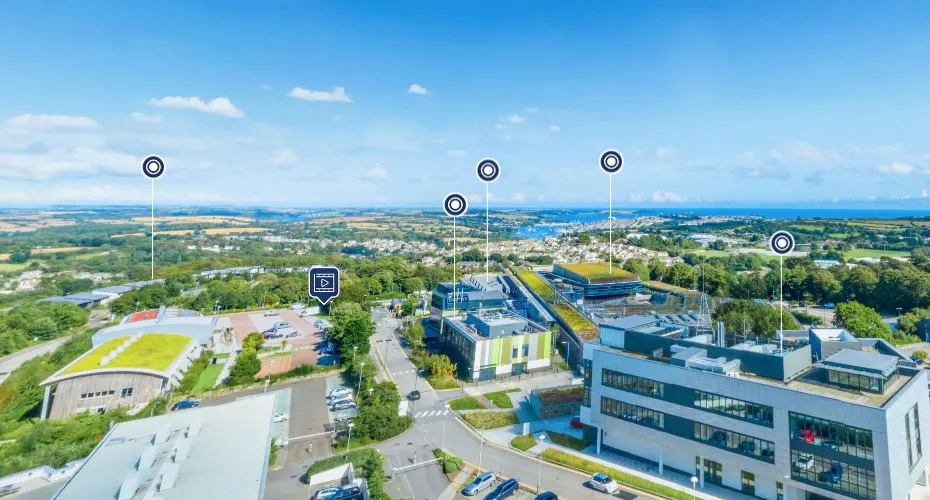
Based on the University’s Penryn Campus and having a focus on all things Environmentally & Sustainability-oriented, provides a unique research-led learning environment, with a welcoming atmosphere where it’s easy to make new friends and where staff and students know each other well.
The stunning campus-by-the-sea is equipped with the very best in learning and teaching facilities, with research labs, lecture theatres and seminar rooms containing only the latest technologies.
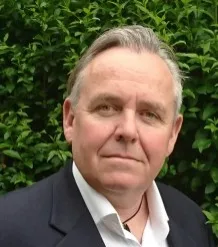
Professor Allen Alexander
Deputy Head of Department - Sustainable Futures"At the Business School in Cornwall, you can research the business-oriented dimensions of circular economy, renewable energy, food security and sustainable & responsible commerce. You can study innovative business degrees that will help you to shape the future in a sustainably ethical and socially responsible way, our research is currently tackling some of the world’s biggest challenges."
In this section
Our degrees
Our innovative BSc Business and BSc Business and Environment degrees in Cornwall focus on giving you the skills to become a business leader of tomorrow.
Our Business degrees adopt an international outlook, meaning you will develop an understanding of the global business environment. Combined with the opportunity to study abroad or work a year in industry, you will be well placed to work for local or international companies.
You will cover all core aspects of business, as well as the relationship between business and society, sustainable business practices, and the role of technology in business.
We have links with many professional associations, including the Institute for Small Business and Entrepreneurship, Chartered Institute of Marketing (CIM) and the Chartered Institute of Personnel and Development (CIPD).
We also collaborate with the Exeter Law School to offer qualifying LLB degrees with Business and BBL Bachelor of Business and Laws.
BSc Business
Our BSc Business course focuses on giving you the skills to become a business leader of tomorrow, able to disrupt local, national and international business norms and bring about sustainable, ethical change.
This degree incorporates extensive work placements allowing you to build a portfolio of proven work experience and practical as well as transferrable skills, from project management through to business consultancy in both the private and third sectors.
BSc Business and Environment
Our BSc Business and Environment course focuses on the interdependence of business and the natural environment, equipping business leaders of tomorrow with the skills and insights to tackle the most pressing challenges facing society.
This degree examines how business needs to change in order to address intensifying environmental issues and to achieve a sustainable economy. It is designed for anyone interested in becoming an adaptable and resilient leader, wishing to contribute to long-term ethical solutions.
MSc Sustainable Business Management
Our MSc Sustainable Business Management focuses on advanced business skills combined with an in-depth understanding of sustainability and the role of business in creating a sustainable future.
This degree is built around a range of modules across a variety of disciplines such as climate change, policy and governance, environment and human health taught by experts in the most pressing sustainability problems and their solutions.
About or research
Sustainable Futures is an interdisciplinary department with strong collaborative links across departments and colleges at the Penryn Campus, research centres, and institutes. In particular, we work closely with the Environment and Sustainability Institute, Exeter Centre for Circular Economy (ECE), European Centre for Environmental and Human Health (ECEHH), and the Institute of Cornish Studies.
Our activities aim to co-develop knowledge and practices that can be applied in research, impact, and educational programmes to support organisations and individuals—particularly those exploring resilient, sustainable, and regenerative development pathways.
The department is a model for cross-disciplinary collaboration, building a vibrant and impactful research agenda. This strategy involves strengthening existing research activities and partnerships, while also developing new interdisciplinary opportunities in key areas.
LAND: Sustainable farming and landscape recovery
LAND is a research project exploring the future of sustainable land management in South West England. The project works in collaboration with the Thousand Year Trust and partners connected to the Atlantic Temperate Rainforest on Bodmin Moor.
Today, future land use is under unprecedented pressure with infinite demands on finite space to provide food, renewable energy, recreation, livelihoods, and wild spaces. In the context of climate change, economic uncertainty and changing policy. This project explores what future and current land management, and farming looks like as businesses diversify beyond traditional agricultural approaches and engage in landscape recovery projects.
We aim to understand how farmers and landowners are adapting to environmental and economic change, how nature restoration fits within farming systems, and how communities, organisations, and policymakers can work together to support resilient landscapes.
The project studies how environmental, economic, and social factors shape land use and recovery. We explore how these different elements can work together to support long term sustainability.
Find out more on the project website
To find out more or to get involved in the project, please contact:
NEGEM Project
This Horizon2020 project aimed at understanding the realistic potential of negative emission technologies and practices. In particular, I focused on understanding stakeholder perceptions, hopes, and concerns around carbon dioxide removal technologies and practices to provide policy recommendations.
Find out more on the project website
To find out more or to get involved in the project, please contact:
Climate Change Vulnerability
Drawing on mixed-methods data from over 3,000 Brazilian farmers, we show that in vulnerable contexts climate change experiences and risk perceptions can intensify maladaptive responses, creating “climate traps” where feedback between perceptions and ecological dynamics deepens vulnerability.
To find out more or to get involved in the project, please contact:
Isles of Scilly Community Research Network
The Isles of Scilly Community Research Network is a collaborative research project linking 5 partners to develop and deliver unique research, anchored in and developed by the islands’ communities, for the benefit of the communities. Led by Professor Allen Alexander, the University of Exeter is utilising his research in corporate innovation processes and democratised innovation practices to develop a smooth and transparent process that enables research questions to develop into impactful research outputs and outcomes, in full view of the sponsors, supporters and collaborators. For details of the project and its partners click here and if you are an academic at the University and wish to become involved in the network, click here.
To find out more or to get involved in the project, please contact:
Regenerative Outdoor Oriented Teaching (ROOT) project
Since September 2025, the team has been investigating the impact of outdoor learning on student education within the business school. We have been experimenting with integrating outdoor activities into our curriculum and, with the support of Blessing Jolayemi (student intern for the project) we are currently interviewing students, staff, and alumni to identify the barriers and opportunities of this pedagogy.
To engage the wider academic community and local partners, we are hosting several upcoming events to share our preliminary findings. These include a field trip to the Apricot Centre CIC in May 2026, an 'Innovation in the Wild' workshop at the Playposium conference in June, and a final showcase on campus in July.
Project members:
- Dr Livia Batista
- Dr Ruth Cherrington
- Dr Laura Colombo
- Blessing Jolayemi
- Hollie Kirk
- Jenny Tunley-Price
To find out more or to get involved in the project, please contact:
Future Fibres Network+ and the Business of Repair Project
Advancing Sustainable Futures in Fashion and Textiles
Our work within the Future Fibres Network+ positions the University of Exeter at the forefront of efforts to embed environmental science into the future of fashion, apparel, and textile systems. Led collaboratively across UK institutions, this initiative brings together expertise from environmental science, design, business, and industry to drive systemic change toward circular and sustainable textile futures.
Learn more here: https://futurefibresnetworkplus.com
Within this wider programme, the PCT ‘Business of Repair’ project with Manchester Metropolitan University in collaboration with Finisterre, generates the rigorous evidence needed to scale repair services within the fashion industry. By uncovering the operational, behavioural, and structural factors that shape repair practices, the project supports clothing businesses and communities in adopting viable circular models that extend garment lifespans and shift consumer culture.
Project details: https://futurefibresnetworkplus.com/1750-2/
Together, these initiatives build a powerful interdisciplinary platform for textile circularity—uniting research, industry, and community partners to accelerate the sustainable transformation of one of the world’s most environmentally impactful industries.
Related Publications & Research Links
Below are examples of recent research connected to these themes of circularity, textiles, and sustainable transitions:
- Untangling circularity: Transitioning to a regional circular economy in the clothing and textile sector in England
Journal of Cleaner Production (2024) https://dx.doi.org/10.1016/j.jclepro.2024.144188 - Rethinking fibres: Integrating environmental sciences with textile innovation
International Journal of Sustainable Fashion & Textiles (2025) https://dx.doi.org/10.1386/sft_00051_7 - Retaining product value in post-consumer textiles: How to scale a closed-loop system
Resources, Conservation and Recycling (2024) https://dx.doi.org/10.1016/j.resconrec.2024.107542 - Enabling circular economy practices in regional contexts
International Journal of Entrepreneurship and Innovation (2024) https://dx.doi.org/10.1177/14657503241236713
To find out more or to get involved in the project, please contact:
Regional and Place‑Based Sustainability Transitions
Our research on Regional and Place‑Based Sustainability Transitions examines how communities, industries, and local ecosystems shape the shift toward more circular, resilient, and sustainable economic models. This work highlights the critical role of place in determining how environmental innovations are adopted, adapted, and sustained over time.
Through empirical research in the UK, we explore how regional textile and clothing sectors navigate the transition toward circularity, revealing the unique infrastructure, partnership dynamics, and community values that enable or constrain progress. We also investigate how local communities reinterpret and actively redefine regional identity in response to social, cultural, and economic change — illuminating the deep links between place‑based meaning‑making and sustainable development.
Collectively, this strand of research demonstrates that sustainability transitions are profoundly embedded in place. It shows that effective circular economy strategies require not only technological innovation but also trust‑building, community engagement, and sensitivity to local histories and contexts. These insights support policymakers, businesses, and regional organisations in designing tailored, context‑aware interventions that strengthen local resilience and environmental wellbeing.
To find out more or to get involved in the project, please contact:
Advancing Purpose‑Led Business: Research on B Corporations
Our research on B Corporations (B Corps) positions the University of Exeter as a leading contributor to understanding how purpose‑driven businesses navigate the complex terrain between commercial performance and societal value creation. Through a portfolio of empirically grounded studies, we examine how B Corp certification reshapes organisational practices, accelerates sustainability transitions, and supports hybrid business models that balance profit with purpose.
At the heart of this research is an exploration of how the B Impact Assessment (BIA)—the benchmarking tool underpinning certification—drives changes in governance, stakeholder engagement, and environmental action. Our work uncovers the “hidden trade‑offs” within the BIA, revealing how organisations often prioritise customer‑related practices while governance and environmental metrics lag behind, highlighting the need for more cohesive and cross-cutting impact strategies.
Complementing this, our studies on hybrid organisations illuminate how B Corps integrate competing institutional logics, demonstrating that certification acts as a “mediating infrastructure” that legitimises socially oriented business models while also imposing new organisational demands. Through interviews and in‑depth case studies, we identify the mechanisms through which B Corps blend commercial and social goals—insights that refine our understanding of sustainability‑driven entrepreneurship and organisational identity.
Taken together, this programme of research underscores the transformative potential—and lived complexity—of the B Corp movement. It contributes critical evidence for policymakers, practitioners, and businesses seeking to embed accountability, transparency, and long‑term sustainability at the core of their operations.
Featured Publications & Links
- The Hidden Trade‑Offs in B Impact Assessment
Business Strategy and the Environment (2025)
Explores how different aspects of the BIA influence organisational performance and sustainability strategy. https://dx.doi.org/10.1002/bse.70312 - Can Hybrid Organisations Solve the Paradox of the Triple Bottom Line, and Does It Need Solving?
Business Strategy and the Environment (2026)
Investigates how B Corp certification enables organisations to integrate social and commercial logics. https://dx.doi.org/10.1002/bse.70272 - Can B Local Communities Redefine Regional Identity?
Regional Studies, Regional Science (2025)
Examines how local communities engage with and reinterpret regional identity through place-based collaborations and evolving socio‑economic narratives.
https://dx.doi.org/10.1080/21681376.2025.2523050
To find out more or to get involved in the project, please contact:
Previous and Related Projects
Past research has included projects such as Tevi, which supported enterprises to improve natural resource efficiency; the Future Focus research team, which worked with firms to develop innovation-led growth strategies; and a European collaboration on ecosystem services research, including Diverfarming, which explored crop diversification across Europe. These initiatives illustrate the group’s broader engagement with sustainable enterprise, innovation, and land-use transitions.
Tevi
Tevi (Cornish for ‘grow’) is an EU‑funded initiative that aimed to create both economic and environmental growth across Cornwall and the Isles of Scilly.
Future Focus 2
Future Focus 2 is a European Regional Development Fund (ERDF) project providing focused support to SMEs in Cornwall and the Isles of Scilly, helping them realise their growth potential through innovation.
Diverfarming
Crop diversification and low‑input farming across Europe, exploring practitioner engagement, ecosystem services, improved revenues, and strengthened value‑chain organisation.
Smart Line
Smart Line explores people’s health and wellbeing needs by analysing behaviours that drive those needs, as well as the role of the voluntary sector in supporting community change.
Inclusivity Project
The Inclusivity Project supports small and medium‑sized businesses in Cornwall to realise the value of employing people of different ages, abilities, and health conditions.
Visit us
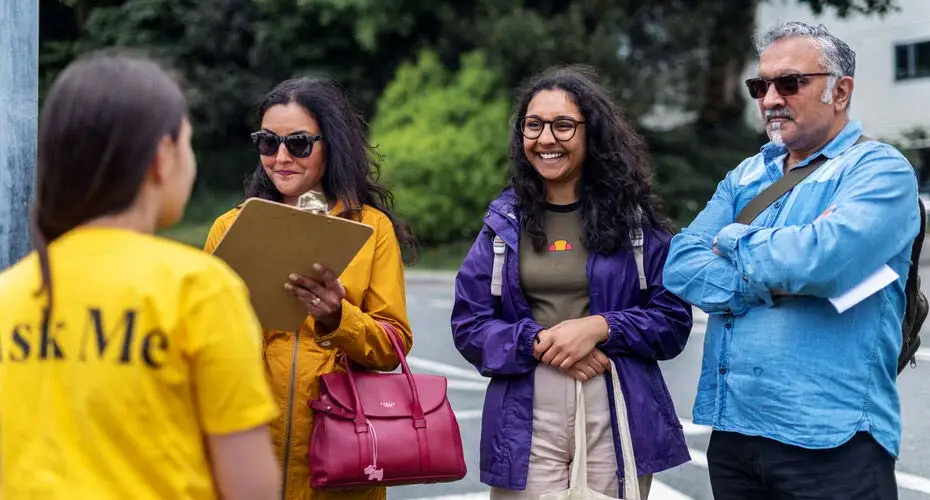
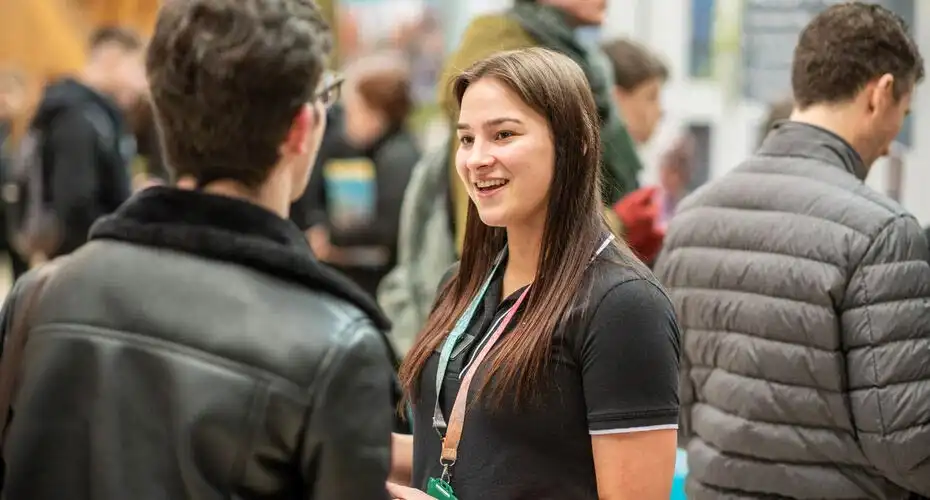
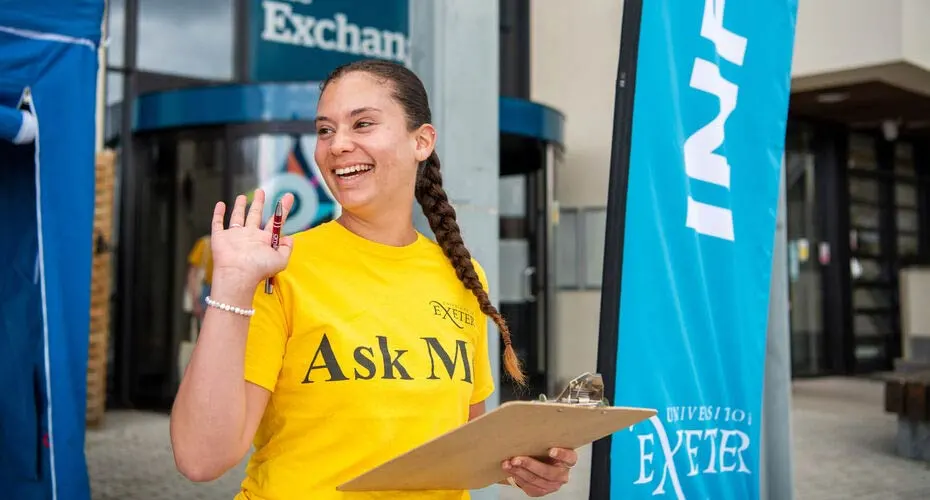
If you are interested in studying Business at our Penryn Campus, Cornwall, we would encourage you to visit the campus and offer a number of ways in which you can do this.
You can check the accessibility of our buildings on the DisabledGo website.
Contact us
General Business School in Cornwall enquiries
For any general enquiries please email: business-school-cornwall@exeter.ac.uk
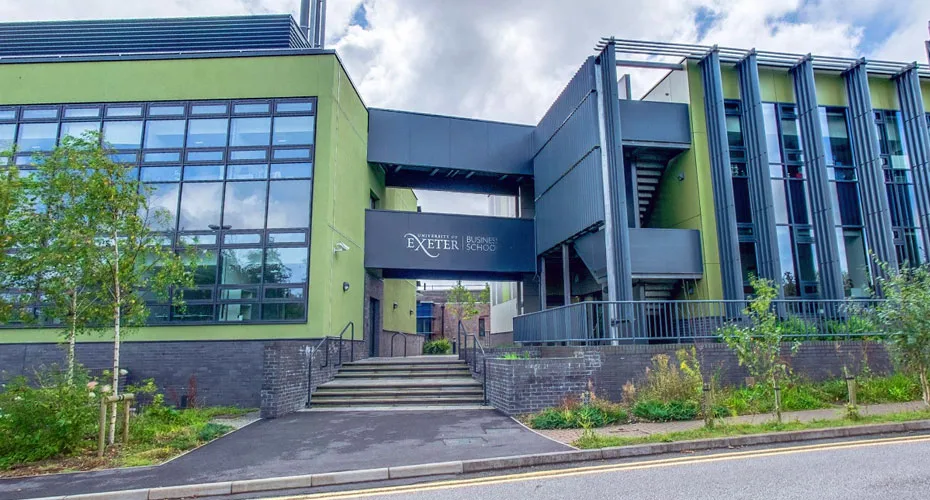
University of Exeter Business School in Cornwall
SERSF Building
Penryn Campus
Cornwall
TR10 9FE
Admissions enquiries
Undergraduate Business School admissions, Penryn Campus
Web: Enquire online
Tel: +44(0)1326 371801
General current student enquiries
Student Info Hub, Peter Lanyon Building
Student Info Hub - For current student enquiries please email: info.penryn@exeter.ac.uk
Tel. +44 (0)1326 371800
Outreach enquiries
Penryn Outreach email: penrynoutreach@exeter.ac.uk
Tel. +44 (0)1326 371801
Alumni enquiries
If you would like to hear more about opportunities for alumni volunteering please email: alumni@exeter.ac.uk
Our staff
More information about the research specialisms, publications and projects of our staff can be found within their individual profile pages.


Professor Lisa Grover
Associate Professor (Cohort Lead MBA Degree Apprenticeships)
- L.Grover@exeter.ac.uk Exeter


